
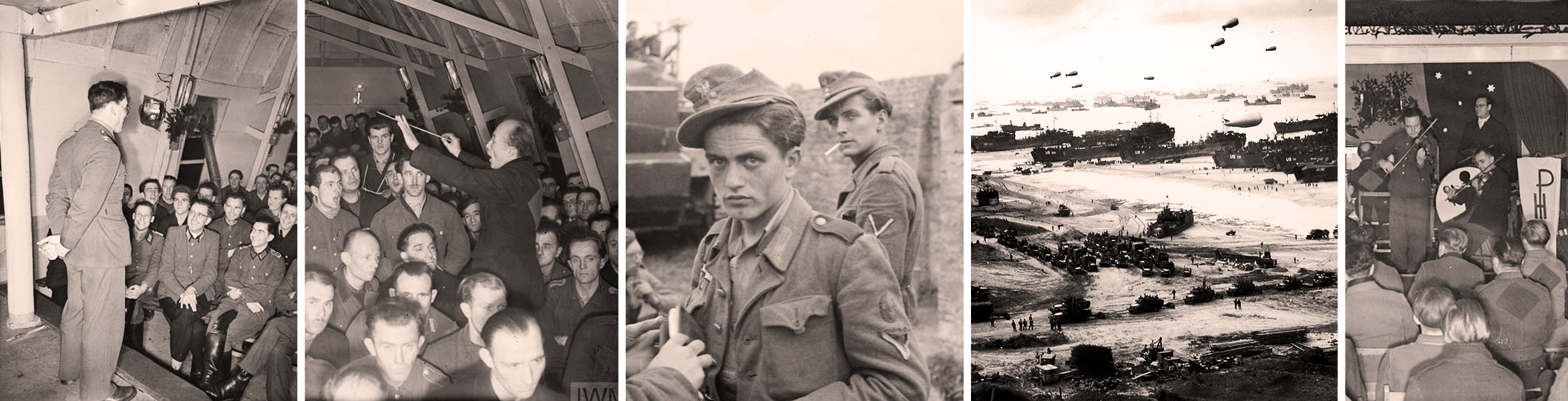
Photos courtesy of the Imperial War Museum
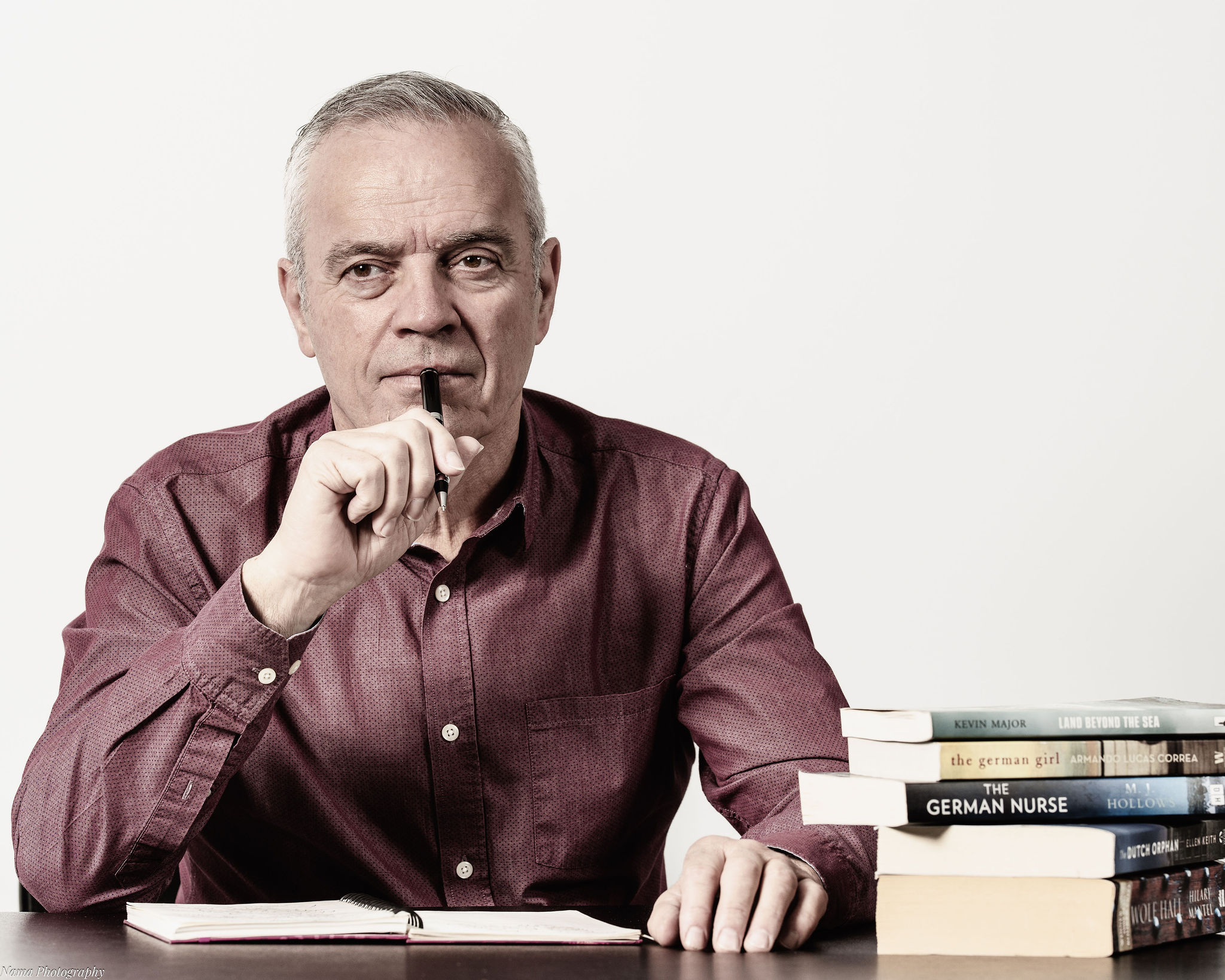
Why I Write Historical Fiction
Stories have the power to change minds. In this fast-moving world of sound bites and social media influencers – with their inherent inaccuracy, it’s often the role of the historical novelist to reach back and carefully study events that had such a lasting impact. Robert Millar’s manuscript-in-progress takes such an event – the presence of hundreds of thousands of German POWs in the UK during and after the Second World War – and weaves a compelling narrative. Born and raised in a Scottish farming community, Robert is actively researching this period and bringing to life the story of these temporary visitors.
POWs in Britain, Quick Facts
Question 1: How many German POWs were there in the UK after WW2?
Most estimates put this at around 400,000. However, this peak was reached at the end of the war when POWs interned in Canada and the USA were returned to the UK.
Question 2: How many German POW stayed in the UK and how many married British brides?
About 25,000 German POWs elected to remain in the UK after the war. From this number, around 800 married British women. Germany was under military occupation by the Allies. For those in the Russian sector (later to become East Germany), life in the UK would have been seen as preferable.
Question 3: How many POW camps were there in the UK during WW2?
At its peak there were around 500 POW camps in the UK. So, assuming a maximum number of 400,000 POWs, this works out at an average of 800 per camp. POWs were graded and members of the SS and other “hard core Nazis” were sent to separate camps, often in the north of Scotland.
Question 4: How were POW camps run and what did POWs do?
POW camps run like British Army bases. The commandant would normally be a lieutenant-colonel and he would have about six officers under him. Roll-call was held twice a day, there were daily hut inspections, and POWs were required to salute British officers. Thousands of German POWs worked in agriculture which helped offset the huge labour shortage at the time.
Question 5: How many POWs escaped from British camps?
Legend has it that only one German POW made it back to Germany. This was Oberleutnant Franz Baron von Werra. He escaped three time from British camps but was then sent to Canada where he escaped again and made his way back to Germany. He was awarded the Iron Cross, but was killed during a flight in 1941. In March, 1945, around sixty German POWs escaped from a camp in Wales, but all were recaptured.
The Latest from Robert's Blog
Scotland – and the next phase begins!
My apologies for the non-appearance of my monthly blog since May. But I have good reasons. Since the last instalment, I graduated with my MFA, sold my place in Halifax, packed and shipped everything off to Scotland, and it’s only in the past month I’ve been...
Research, Research, Research!
In writing historical fiction, a huge amount of research is required. This research took me from the beaches of Normandy to Berlin and from the Imperial War Museum in London to the preserved POW Camp at Cultybraggan in Scotland. In Germany, I took a side...
Music’s Impact on My Writing
Music is a theme running through my novel. Years ago, I was fascinated by the film Swing Kids about young Berliners and their passion for American swing music. Karl, the main character in my novel, could be any one of these fashionable young men coming together to...

Robert Millar
Robert Millar has an MFA in Fiction from King’s College Halifax. Camp 64 is his first novel. He is a former sea-going engineer and retired marine engineer/shipbuilder, having lived and worked in Newcastle (UK), San Diego, Washington DC, Vancouver, and Halifax. He has a lifelong passion for music as well as writing, has sung in several gay men’s choruses and plays the guitar. A farmer’s son, he was born and raised in Scotland. This novel is inspired by a real-life prisoner of war who worked on his grandfather’s farm during the Second World War.